
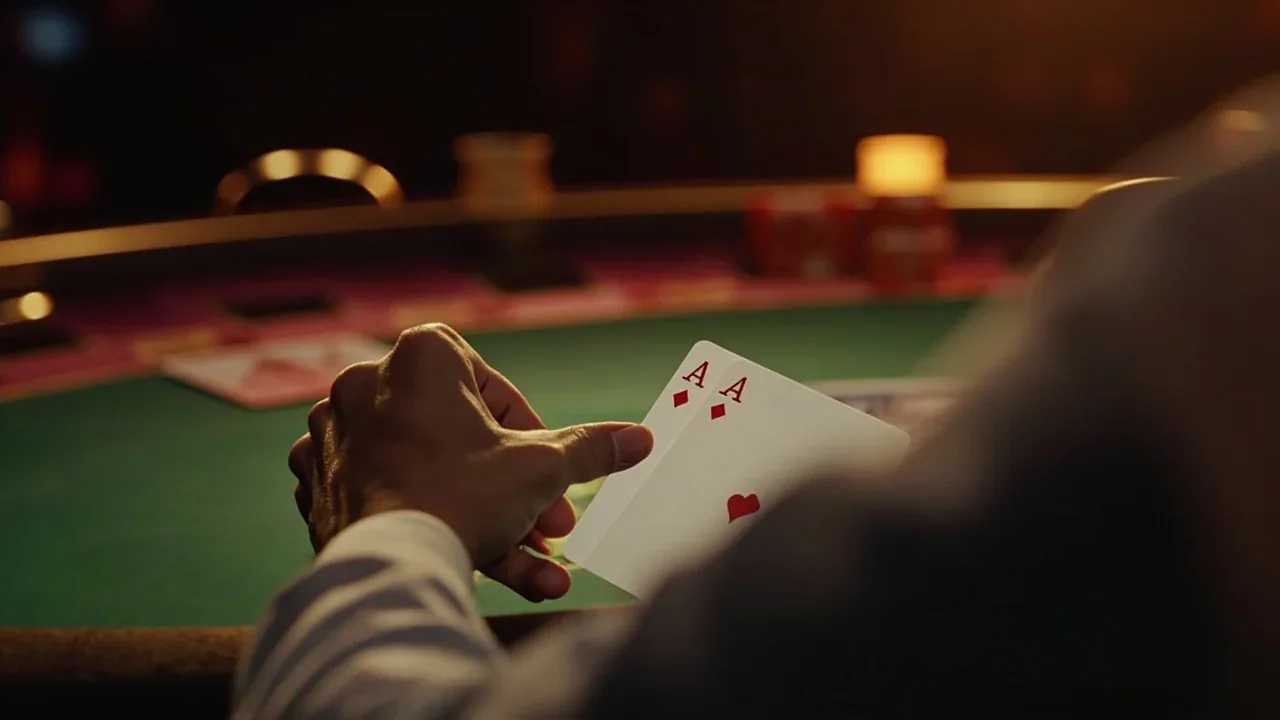
Card-based recreation now attracts attention through shared participation and friendly competition.Regular groups discuss rules plus match choices through simple social interaction.The yonorummy format also supports quick participation during suitable free periods.Shared activities encourage clearer rule awareness plus more thoughtful decision-making.These habits gradually create organized spaces where skill receives greater attention.
Shared Groups Build Stronger Connections
Regular participation creates familiar spaces where members exchange useful match knowledge.Friendly discussions help newcomers understand common rules without facing unnecessary confusion.
Group interaction also creates stronger awareness about fair conduct during sessions.Consistent communication keeps shared recreation organized across different participation levels.
Competition Encourages Careful Decisions
Competitive sessions often require patience plus close attention before every move.Participants learn to observe patterns rather than depend on rushed choices.
Regular practice improves familiarity with timing plus suitable card selection methods.Measured decisions can make every session clearer without creating unnecessary pressure.

Community Habits Shape Better Participation
Shared groups often develop simple habits that support orderly participation.Clear expectations also reduce confusion during competitive card-based sessions.
- Regular discussions help members understand rules through shared practical knowledge.
- Friendly matches encourage thoughtful choices without creating unnecessary personal pressure.
- Clear communication reduces confusion during closely contested recreational card sessions.
- Consistent practice improves decision timing across different competitive situations gradually.
- Respectful conduct keeps group interaction welcoming during challenging match periods.
- Session limits support balanced participation around ordinary personal responsibilities daily.
- Careful observation strengthens awareness of changing patterns during competitive rounds.
- Shared guidance gives newcomers clearer direction during their early participation.
These habits make organized participation easier for members with different skill levels.They also keep competitive activity focused on knowledge rather than rushed decisions.
Skill Develops Through Repeated Practice
Regular practice helps participants understand common patterns through direct observation.Different situations teach better timing plus stronger control over personal decisions.
The yonorummy community can also encourage useful discussions about responsible participation.Steady learning matters more than expecting immediate success from every session.
What Makes Community Competition More Meaningful Today
Community competition becomes meaningful when participation combines knowledge plus respectful conduct.
- Members can compare approaches while learning how different decisions affect each round.
- Regular interaction creates opportunities to notice mistakes without turning every result into pressure.
- Clear rules also make competitive sessions easier to understand for newer participants.
- Strong communities usually value steady improvement rather than constant winning expectations.
- Personal limits remain equally important because recreation should fit ordinary responsibilities.
- Members who review earlier decisions can identify weak habits more clearly.
That balanced approach supports informed participation while keeping competition organized plus manageable.
Match Structure Supports Clearer Learning
Organized matches give participants clear conditions for comparing different decision methods.Defined rules reduce uncertainty while keeping each round easier to follow.Repeated participation gradually strengthens judgment through familiar situations plus careful observation.
Participation Patterns at A Glance
Different community elements influence competitive activity in separate practical ways.The following comparison shows how each area supports organized participation.
Each element serves a separate purpose within organized card-based recreation.Combining them creates clearer routines without making participation unnecessarily complicated.
Common Player Doubts Answered Clearly
Several common doubts appear when newcomers join competitive community activities.Short answers can provide useful direction before regular participation begins.
- Does regular practice improve decisions? Repeated sessions strengthen timing awareness gradually.
- Should beginners learn rules first? Clear knowledge prevents avoidable match confusion.
- Does every session require long participation? Short periods remain completely suitable.
- Are activity limits useful? Defined boundaries support controlled recreational participation daily.
- Does group discussion improve understanding? Shared views clarify unfamiliar match situations.
- Should earlier choices receive review? Careful checking reveals recurring decision mistakes.
Simple answers help participants approach shared card activities with realistic expectations.Clear understanding also supports calmer decisions during future competitive sessions.
Personal Limits Maintain Healthy Balance
Competitive recreation works better when personal boundaries remain clearly defined beforehand.Time planning prevents leisure sessions from interfering with ordinary daily duties.
Spending controls also support measured choices where paid participation becomes involved.Responsible routines keep recreational activity separate from important personal priorities.
Consistent Choices Create Better Balance
Steady judgment matters more than chasing perfect results during competition.Clear boundaries protect personal priorities while supporting measured recreational participation.Thoughtful practice develops stronger decision habits through repeated careful observation.Respectful group conduct keeps shared activity orderly plus useful for everyone.Consistent execution ultimately creates greater control than unrealistic expectations of perfection.